Handicap Ramp Construction in Wilmington, NC
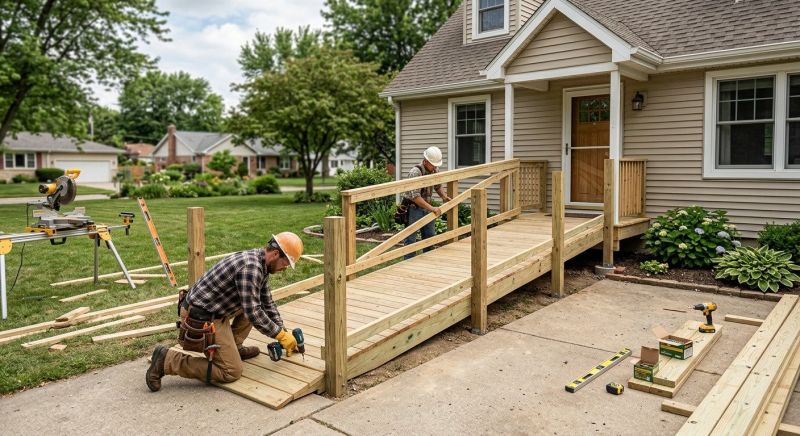
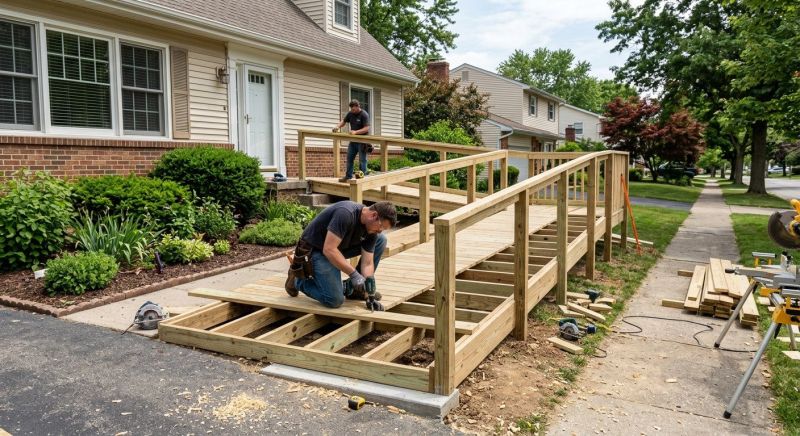
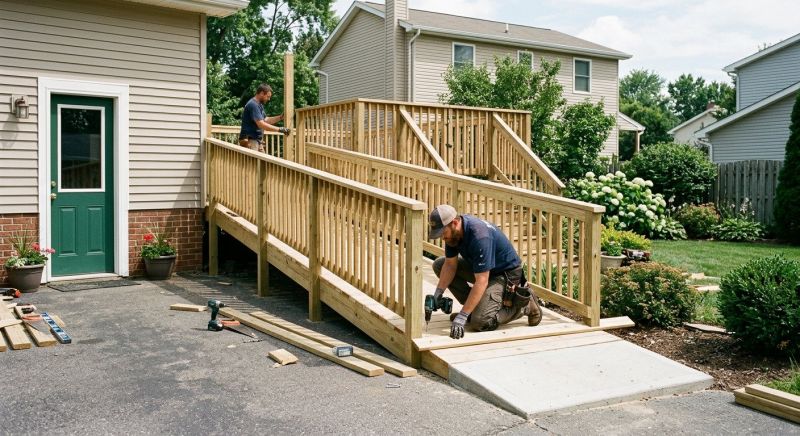
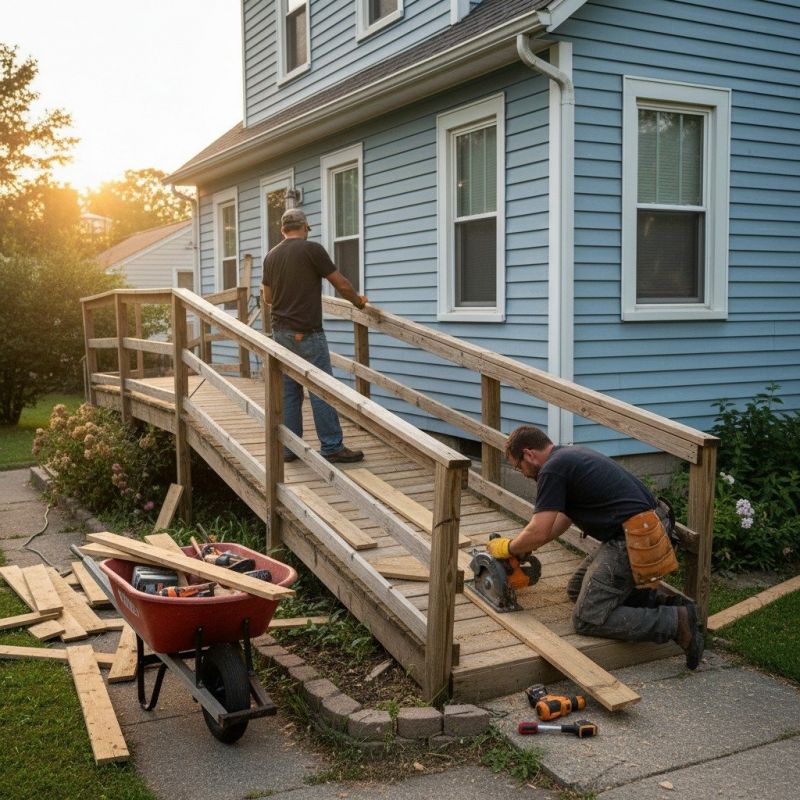
Handicap ramp construction services provide customized solutions for improving accessibility on residential properties. These projects typically involve building ramps that connect entryways to walkways or driveways, ensuring safe and easy access for individuals with mobility challenges. Common projects include installing new ramps for homes, modifying existing structures, or adding portable ramps to accommodate wheelchairs, walkers, or other mobility devices. Property owners often want to understand the materials used, the available design options, and how the ramp integrates with the existing property to ensure safety and compliance with accessibility needs.
Before requesting handicap ramp construction, property owners should consider factors such as the specific mobility requirements, the location and layout of the entry points, and any relevant building codes or regulations. It is helpful to evaluate the space available for the ramp, including slope and width, to ensure it provides safe and comfortable access. Understanding these details can help in planning a functional and durable ramp that enhances independence and convenience for residents or visitors with mobility needs.
Many property owners in Wilmington, NC look into Handicap Ramp Construction for repairs, replacements, upgrades, and appearance-related improvements.
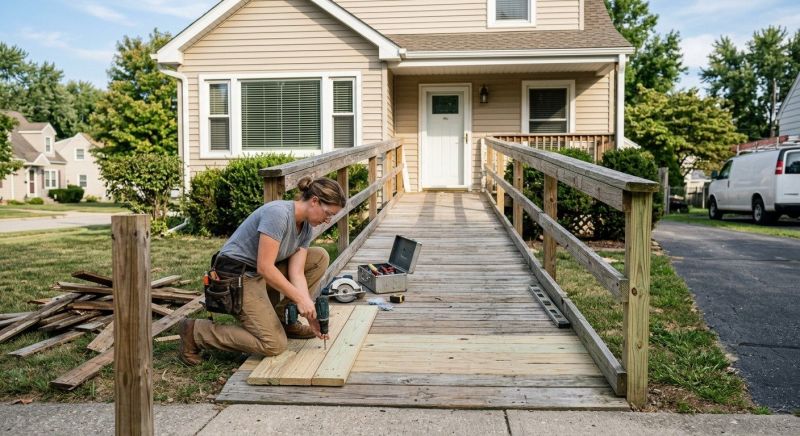
Residential Handicap Ramps
Custom ramps designed to improve accessibility for homes in wilmington and surrounding areas.
Commercial Accessibility Solutions
Durable ramp constructions that meet accessibility standards for businesses and public spaces.
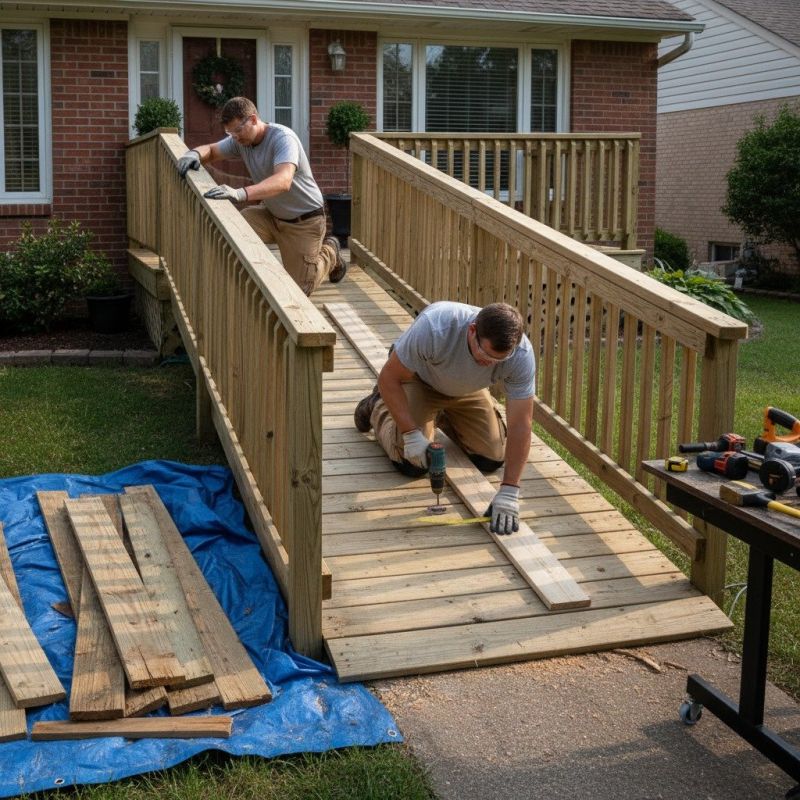
Safety And Compliance
Ensuring ramps are built to meet safety guidelines and accommodate mobility needs effectively.
Handicap Ramp Construction in Wilmington, NC
Handicap ramp construction services provide customized solutions for improving accessibility on residential properties. These projects typically involve building ramps that connect entryways to walkways or driveways, ensuring safe and easy access for individuals with mobility challenges. Common projects include installing new ramps for homes, modifying existing structures, or adding portable ramps to accommodate wheelchairs, walkers, or other mobility devices. Property owners often want to understand the materials used, the available design options, and how the ramp integrates with the existing property to ensure safety and compliance with accessibility needs.
Before requesting handicap ramp construction, property owners should consider factors such as the specific mobility requirements, the location and layout of the entry points, and any relevant building codes or regulations. It is helpful to evaluate the space available for the ramp, including slope and width, to ensure it provides safe and comfortable access. Understanding these details can help in planning a functional and durable ramp that enhances independence and convenience for residents or visitors with mobility needs.
Many property owners in Wilmington, NC look into Handicap Ramp Construction for repairs, replacements, upgrades, and appearance-related improvements.
Common Handicap Ramp Construction Jobs
Residential ramp installation - provides safe, accessible entryways for homes and apartments.
Commercial ramp construction - enhances accessibility for businesses and public spaces.
Custom ramp design - tailored to fit specific property layouts and user needs.
Portable ramp solutions - offer temporary or flexible access options for various locations.
Wheelchair ramp upgrades - improve safety and ease of use for existing structures.
ADA-compliant ramp building - ensures properties meet accessibility standards and regulations.
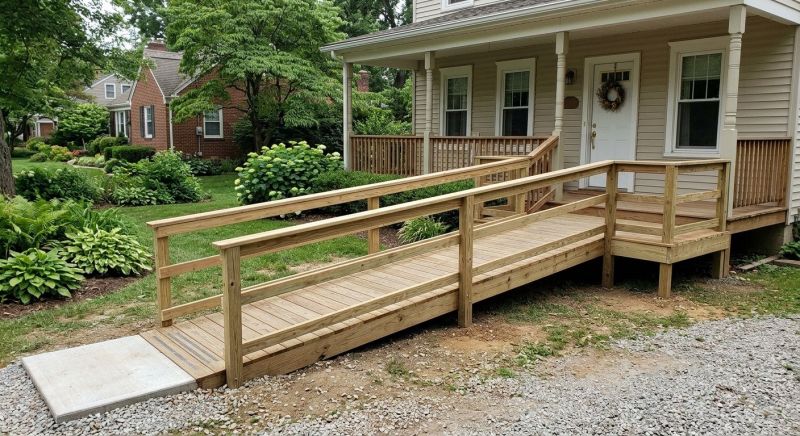
Handicap Ramp Construction Questions
What is a handicap ramp? A handicap ramp is an inclined surface designed to provide accessible entry for individuals with mobility challenges, ensuring easier access to buildings and homes.
What types of projects typically require a handicap ramp? Projects often involve adding ramps to residential entrances, commercial storefronts, or public buildings to improve accessibility for wheelchair users and those with limited mobility.
What materials are used for handicap ramps? Common materials include concrete, wood, aluminum, and steel, chosen based on durability, aesthetics, and property requirements.
Are there building codes for handicap ramp construction? Yes, local building codes specify standards for slope, width, handrails, and landings to ensure safety and accessibility compliance.
Request Handicap Ramp Construction in Wilmington, NC
Use the quote form on this page to share the basics of your project and request more information for the type of work you need.